Setting up a home for long-term durability requires more than just aesthetic choices. While decor, color schemes, and finishes can make a house feel welcoming, the real foundation of a lasting, comfortable, and safe home lies in careful planning, preventive maintenance, and the use of professional services. Every decision—from selecting materials to scheduling inspections—plays a role in minimizing unexpected repairs, enhancing safety, and ensuring that each system, whether structural, mechanical, or functional, operates efficiently for years to come. Homes built or maintained with foresight are not only more resilient to wear and environmental stressors but also offer greater value and peace of mind for their owners.
Too often, homeowners focus on immediate appearance or trendy features, prioritizing surface-level improvements while overlooking essential preventive measures. This can lead to costly repairs, reduced energy efficiency, and potential safety hazards down the line. Small, preventable problems—such as hidden water damage, improperly installed systems, or neglected maintenance—can quickly escalate into major structural or mechanical issues if left unaddressed. Understanding and addressing these elements early ensures that aesthetic upgrades complement, rather than compromise, a home’s long-term performance.
A thoughtful, strategic approach allows you to maximize your investment while creating a home environment that is not only visually appealing but also functional, safe, and resilient. By integrating professional guidance, routine inspections, and targeted upgrades, homeowners can ensure that their property is prepared to withstand the demands of daily life, seasonal changes, and long-term wear. This article provides a comprehensive guide to actionable strategies for long-term home durability, covering essential topics such as structural integrity, safety and security, system maintenance, water management, flooring, landscaping, and smart technology enhancements, equipping you with the knowledge to make informed, lasting improvements.
Assess Structural Integrity Before Making Upgrades
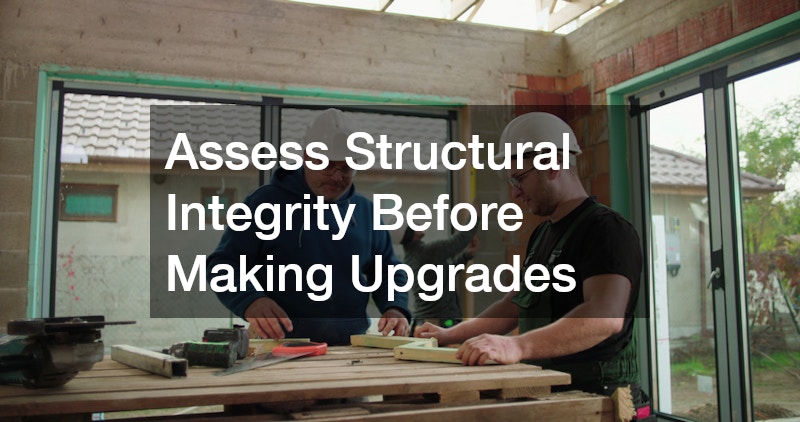
When it comes to setting up a durable home, understanding its structural condition is a critical first step. Over time, wear and tear on walls, foundations, and exterior surfaces can compromise stability, making upgrades less effective if underlying issues are ignored. Evaluating these elements early ensures that future improvements build upon a strong, reliable foundation.
Masonry companies can provide expert guidance on repairing or reinforcing brick, stone, and concrete components. They can assess wall stability, repair cracks, and apply treatments that enhance the longevity of your structure. Similarly, a local waterproofing company can help prevent water infiltration, which is one of the leading causes of structural damage and mold growth. Waterproofing measures such as exterior sealants, proper grading, and drainage systems protect the foundation and walls from moisture intrusion.
Beyond hiring professionals, homeowners can take proactive steps by conducting regular visual inspections of the foundation, exterior walls, and basement. Noticing small shifts, cracks, or water stains early allows for timely intervention before minor issues escalate. Maintaining proper grading around the house and ensuring soil does not collect near the foundation also reduces stress on walls and prevents water damage that can compromise structural integrity.
Planning structural improvements in phases can make upgrades more manageable and cost-effective. Start with critical issues that impact the foundation and overall safety, followed by enhancements to exterior walls or finishing touches. Coordinating with professionals on a phased timeline ensures that each repair is effective and does not interfere with subsequent projects, maximizing the long-term durability and value of your home.
Optimize Safety with Security and Monitoring Systems
Creating a secure home environment is a core aspect of durability. Modern security systems provide both safety and peace of mind, helping homeowners prevent theft, detect hazards, and maintain oversight even when away. Partnering with a local security system company ensures proper installation, monitoring, and ongoing maintenance of cameras, alarms, and access controls.
Homeowners insurance agents also play a key role in long-term planning. They can guide homeowners on policy requirements and potential discounts for enhanced security features, ensuring that your investment in safety is aligned with coverage needs. Insurance agents may also advise on upgrades that improve resilience against natural hazards or theft, offering both protection and potential savings.
Safety also extends to monitoring the home for environmental risks such as fire, carbon monoxide, or water leaks. Combining smart sensors with a monitored security system allows homeowners to receive instant alerts, reducing potential damage and improving response times. Ensuring that both indoor and outdoor spaces are properly covered by security measures creates a layered defense that protects people, possessions, and the property itself.
Integrating security features into the home’s overall design can enhance effectiveness without compromising aesthetics. For example, installing discreet cameras in landscape features, using reinforced entry doors, and coordinating lighting with motion sensors improves deterrence. Working with professionals ensures that all systems are properly calibrated, providing reliable protection while complementing the home’s design and layout.
Maintain HVAC and Heating Systems
A home’s heating and cooling systems are crucial for both comfort and durability. Proper maintenance ensures that these systems operate efficiently, reducing the likelihood of sudden breakdowns or costly repairs. Regular checks prevent minor issues from escalating and protect other home systems from damage caused by temperature fluctuations or water leaks.
Scheduling local heating repairs at the first sign of malfunctioning equipment can prevent more serious issues down the line. Professional technicians can inspect furnaces, heat pumps, and ductwork, identifying worn components and restoring optimal performance. In addition, installing water softeners can help prevent scale buildup in pipes and heating systems, extending their lifespan and improving efficiency.
Homeowners can also improve efficiency by implementing seasonal preparation routines. Cleaning vents, checking insulation around ductwork, and replacing aging thermostats ensures optimal airflow and temperature regulation. These small but consistent practices reduce energy consumption, minimize strain on mechanical components, and extend the life of your HVAC system, making the home more comfortable year-round.
Another key consideration is system upgrades that align with the home’s size and usage patterns. For instance, zoning systems or energy-efficient models can optimize performance and reduce unnecessary strain. Coordinating HVAC maintenance with other home improvement projects ensures that changes, such as adding insulation or new flooring, do not negatively impact system efficiency or airflow, preserving comfort and durability.
Protect Against Water and Moisture Damage
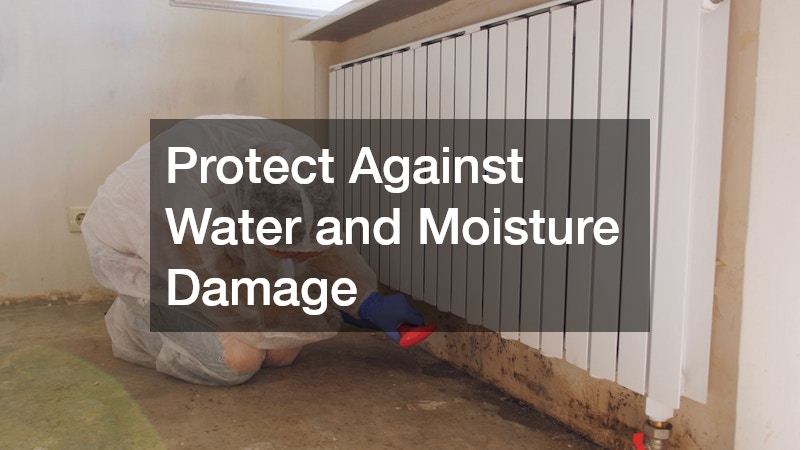
Water and moisture are among the leading causes of long-term home damage. They can lead to mold growth, structural weakening, and compromised indoor air quality. Identifying potential sources of moisture early is essential for maintaining a durable and safe home environment.
Mold remediation services become critical if mold growth is detected. Prompt remediation prevents health hazards and structural deterioration, while preventative measures reduce the likelihood of recurrence. Regular septic inspection services are another key element of water management. Ensuring that septic systems function properly prevents leaks and backups that could damage both landscaping and home foundations.
Proactive homeowners can monitor humidity levels in high-risk areas such as basements, bathrooms, and kitchens. Installing dehumidifiers, using moisture barriers, and improving ventilation helps prevent damp conditions that encourage mold growth. Regularly inspecting appliances, sinks, and plumbing joints ensures that leaks are caught early, reducing the potential for damage to flooring, walls, and ceilings.
Landscaping and exterior maintenance play a crucial role in moisture management. Proper grading, gutter cleaning, and drainage systems redirect water away from the foundation, reducing the risk of seepage or erosion. Pairing these measures with interior inspections and professional waterproofing creates a comprehensive strategy that preserves both the structural and aesthetic integrity of the home over time.
Upgrade Flooring for Longevity and Aesthetics
Flooring is a significant component of a home’s durability and visual appeal. Choosing the right materials and ensuring proper installation are critical for long-lasting results. Durable floors not only withstand wear and tear but also support indoor air quality and comfort.
Flooring contractors can provide guidance on material selection, installation techniques, and maintenance practices. They can recommend materials suited to the home’s climate, traffic patterns, and intended use. From hardwood and tile to engineered options, the right floor choice balances aesthetics, durability, and maintenance needs.
Beyond installation, maintaining floors involves regular cleaning, refinishing, and checking for early signs of damage such as warping, staining, or loose tiles. Incorporating rugs or protective mats in high-traffic areas can prevent wear, while humidity control ensures that wood and laminate flooring do not expand or contract excessively. A proactive approach reduces the risk of costly repairs over time.
Flooring upgrades should also complement other systems, such as underfloor heating, plumbing, and basement waterproofing. Coordinating material choice and installation with these elements ensures compatibility and long-term performance. Planning flooring alongside furniture layout and traffic patterns also enhances functionality, safety, and overall home comfort.
Manage Trees and Landscaping Effectively
Trees and landscaping have a significant impact on a home’s durability and aesthetic appeal. Proper maintenance ensures that vegetation enhances the property without creating hazards. Overgrown or unstable trees can damage roofs, foundations, and utility lines, making tree removal services an essential resource for proactive homeowners.
Regular pruning and strategic planting not only improve safety but also help manage shade, wind protection, and soil stability. A well-planned landscape supports drainage and reduces erosion risks, contributing to the long-term integrity of exterior structures.
Selecting the right tree species and planting locations also protects structural elements. Deep-rooted trees planted too close to foundations or plumbing can cause cracking or blockages. Conversely, strategically positioned trees provide shade that reduces cooling costs and windbreaks that minimize exposure to harsh weather, benefiting the home’s energy efficiency and exterior longevity.
Routine inspection of tree health prevents unexpected hazards. Identifying disease, pest infestations, or structural weakness early allows for targeted removal or treatment. Coordinating with professional tree removal services ensures safe execution, minimizing risk to people, buildings, and power lines. Thoughtful landscaping planning, combined with ongoing care, enhances both beauty and durability.
Plan Preventive Maintenance and Home Inspections
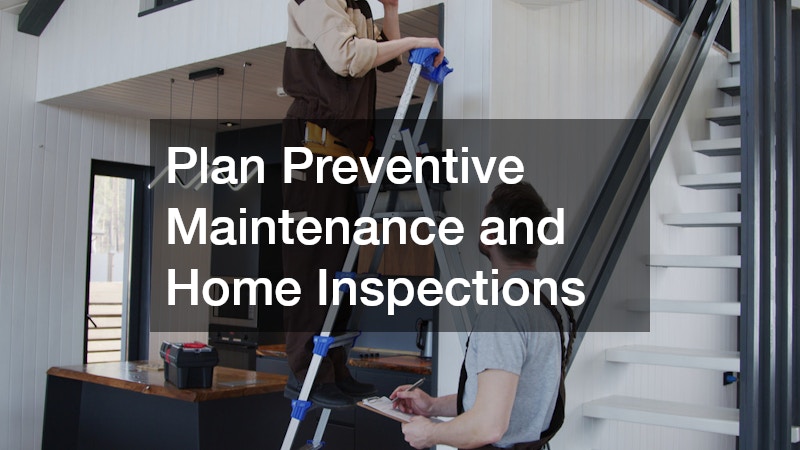
Preventive maintenance is the backbone of a durable home. Regular inspections identify minor issues before they escalate, allowing homeowners to address repairs early and maintain the efficiency and safety of all systems. Scheduling routine checks for plumbing, electrical, roofing, and structural elements prevents surprises and keeps the home functioning optimally.
Keeping detailed records of maintenance tasks and inspections helps track performance and anticipate future needs. A structured plan also allows homeowners to prioritize repairs and upgrades based on urgency and impact.
Homeowners can also implement seasonal checklists that cover both interior and exterior spaces. For example, inspecting roofing, gutters, and siding in the fall helps prepare for winter weather, while spring checks focus on landscaping, irrigation, and ventilation. This proactive approach prevents small issues from becoming costly repairs and supports the long-term durability of the home.
Working with professionals for specialized inspections ensures accuracy and efficiency. Electricians, plumbers, and HVAC specialists can identify hidden problems that a visual inspection might miss. Combining professional input with homeowner diligence creates a comprehensive maintenance strategy that enhances safety, functionality, and long-term resilience.
Enhance Home Functionality With Smart Upgrades
Smart home technology can significantly improve both comfort and durability. Automation allows homeowners to monitor and control lighting, temperature, security, and energy use efficiently. Incremental upgrades, such as programmable thermostats or leak sensors, provide tangible benefits without requiring a complete system overhaul.
Integrating smart upgrades also enhances safety by alerting homeowners to potential problems, such as water leaks, electrical faults, or security breaches. Combining technology with preventive maintenance creates a home that is not only more functional but also more resilient to long-term challenges.
Smart home systems can also increase energy efficiency and reduce utility costs. Monitoring usage patterns and automating routines ensures that heating, cooling, and lighting operate only when needed. This not only extends the lifespan of appliances but also reduces environmental impact, contributing to a more sustainable and durable home.
When planning smart upgrades, homeowners should prioritize devices that integrate seamlessly with existing systems. For example, smart thermostats can work with HVAC upgrades, water sensors complement waterproofing measures, and security automation supports overall home protection. Thoughtful implementation enhances convenience, safety, and long-term resilience.
Creating a durable and resilient home requires a comprehensive, proactive approach. By assessing structural integrity, implementing safety measures, maintaining heating and water systems, managing moisture, upgrading flooring, and monitoring landscaping, homeowners can ensure long-term comfort, efficiency, and property value.
Incorporating preventive maintenance, professional inspections, and strategic smart home upgrades adds an extra layer of reliability and convenience. Each step of the process contributes to a home that is safer, more functional, and capable of withstanding the tests of time.
Ultimately, a well-planned home setup is more than an investment in aesthetics—it is a commitment to durability, safety, and peace of mind. With careful planning and consistent attention, homeowners can enjoy a resilient living space that serves their needs today and remains reliable for years to come.