Introduction: Building a Healthier, More Efficient, and More Comfortable Living Environment
Creating a comfortable home involves far more than decorating or purchasing new furniture. True comfort comes from maintaining a clean, efficient, and functional living environment where every system works together properly. Heating and cooling equipment regulate indoor temperatures, plumbing systems provide clean water and efficient drainage, flooring affects cleanliness and air quality, and well-designed spaces improve both functionality and relaxation. When one area is neglected, it often affects the entire home.
Many homeowners focus on visible appearance while overlooking the systems and maintenance tasks that have the greatest impact on long-term comfort and efficiency. Small issues such as poor airflow, slow drains, excess moisture, or aging materials may seem manageable initially, but they often develop into larger and more expensive problems over time. Preventative care and strategic upgrades help homeowners avoid these costly repairs while improving everyday living conditions.
Modern households also place greater demands on home systems than ever before. Heating and cooling systems work harder to maintain comfort during extreme weather. Bathrooms and kitchens experience heavy daily use. Lower-level spaces are increasingly used as offices, entertainment areas, and additional living space. These increased demands make routine maintenance and thoughtful upgrades even more important.
Another critical factor is indoor health. Air quality, water quality, cleanliness, and moisture control all influence the safety and comfort of a home. Dust buildup, poor ventilation, hard water, and damp environments can contribute to respiratory irritation, mold growth, and system inefficiencies. Creating a healthier living environment requires attention to both visible and hidden conditions throughout the property.
Homeowners who approach maintenance proactively also benefit financially. Preventative maintenance costs are almost always lower than emergency repair expenses. Energy-efficient upgrades reduce utility bills, while modernized spaces improve property value and long-term usability.
This guide explores practical strategies homeowners can use to create cleaner, more efficient, and more comfortable homes. By combining routine maintenance with strategic remodeling and system upgrades, homeowners can improve daily living while protecting the long-term value and reliability of their property.
Improve Indoor Comfort Through Better Cooling Performance
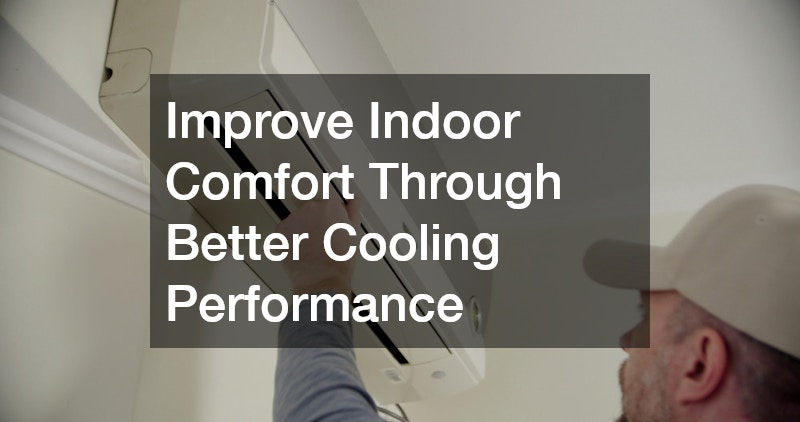
Cooling systems are essential for maintaining indoor comfort during warmer months, but they are also among the hardest-working systems in a home. Without routine maintenance, cooling equipment gradually loses efficiency and becomes more prone to breakdowns.
Regular air conditioning repair helps address smaller mechanical concerns before they lead to expensive system failures. Many homeowners ignore early warning signs because the system still functions, but reduced performance often signals developing wear.
Common signs of cooling system problems include:
- Weak airflow from vents
- Uneven temperatures between rooms
- Excess indoor humidity
- Unusual rattling or grinding noises
- Rising energy bills despite normal usage
Routine ac maintenance services help improve efficiency while extending equipment lifespan. Professional inspections typically include:
- Cleaning evaporator and condenser coils
- Checking refrigerant levels
- Inspecting electrical components
- Testing thermostat performance
- Replacing or cleaning filters
Dirty filters and restricted airflow are among the most common causes of reduced cooling efficiency. When airflow becomes restricted, systems work harder to maintain temperatures, increasing both wear and energy consumption.
Homeowners can support cooling efficiency through additional preventative practices such as:
- Keeping outdoor condenser units free of debris
- Sealing air leaks around windows and doors
- Using ceiling fans to improve circulation
- Installing blackout curtains during peak sunlight hours
Seasonal maintenance is especially important before summer temperatures arrive. Scheduling inspections early helps prevent emergency breakdowns during periods of peak system demand.
Additional benefits of preventative cooling maintenance include:
- Improved indoor air quality
- Better humidity control
- Reduced operating noise
- More consistent temperature regulation
Consistent maintenance not only improves comfort but also reduces long-term repair and replacement costs.
Maintain Reliable Heating and Year-Round Climate Control
Heating systems are just as important as cooling systems when it comes to maintaining indoor comfort and protecting home efficiency. During colder months, heating equipment often operates continuously, making regular maintenance essential for reliability and safety.
Professional HVAC services help ensure that climate control systems function efficiently throughout the year. Routine inspections allow technicians to identify worn components, airflow restrictions, and safety concerns before they become serious problems.
Warning signs that heating repairs may be needed include:
- Uneven heating throughout the home
- Strange noises during operation
- Frequent cycling on and off
- Delayed response from thermostats
- Unexpected increases in heating costs
Heating systems affect more than comfort alone. Poorly maintained equipment can reduce indoor air quality, increase humidity imbalance, and create safety risks such as carbon monoxide leaks or electrical hazards.
Preventative maintenance should include:
- Replacing air filters regularly
- Cleaning vents and return ducts
- Inspecting burners and ignition systems
- Testing thermostat calibration
- Scheduling annual professional inspections
Airflow also plays a major role in heating performance. Blocked vents, dirty ductwork, and inadequate insulation force systems to work harder, reducing efficiency and increasing wear.
Additional ways to improve heating performance include:
- Sealing drafts around windows and doors
- Improving attic insulation
- Using programmable thermostats
- Maintaining consistent airflow between rooms
Routine maintenance reduces emergency breakdown risks while improving both comfort and energy efficiency throughout the year.
Prevent Plumbing Problems and Improve Water Flow Efficiency
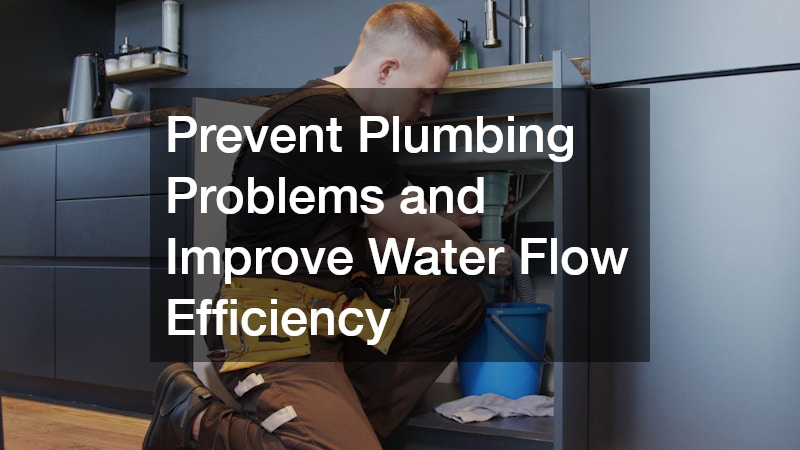
Drainage systems are essential for maintaining sanitation and preventing water damage, yet many homeowners overlook routine plumbing maintenance until serious problems develop. Slow drains, recurring clogs, and unpleasant odors often indicate buildup or hidden plumbing concerns.
Professional drain cleaning helps remove grease, soap residue, hair, mineral deposits, and other debris that gradually restrict water flow inside pipes.
Warning signs of drainage problems include:
- Slow-draining sinks or tubs
- Recurring clogs in multiple fixtures
- Gurgling noises in pipes
- Foul odors near drains
- Water backing up into fixtures
Neglected drainage systems can lead to:
- Pipe corrosion
- Water leaks behind walls
- Mold growth
- Structural moisture damage
Preventative maintenance strategies include:
- Avoiding grease disposal in kitchen sinks
- Using drain covers to catch debris
- Flushing drains with hot water periodically
- Scheduling professional inspections when problems persist
Homeowners should also pay attention to water pressure changes because inconsistent flow may indicate hidden plumbing restrictions or leaks.
Additional ways to protect plumbing systems include:
- Avoiding harsh chemical drain cleaners
- Addressing leaks immediately
- Monitoring plumbing performance in older homes
- Inspecting exposed pipes regularly
Maintaining efficient drainage improves sanitation, reduces moisture risks, and supports healthier indoor environments.
Improve Water Quality and Reduce Mineral Buildup Throughout the Home
Water quality has a direct impact on plumbing systems, appliances, cleaning efficiency, and overall household comfort. Hard water, which contains high concentrations of dissolved minerals, gradually creates buildup inside pipes and appliances while reducing cleaning effectiveness.
Water softeners help reduce mineral accumulation by removing calcium and magnesium from household water supplies. Improved water quality supports better plumbing performance and reduces wear on fixtures and appliances.
Common signs of hard water include:
- White mineral deposits on faucets and fixtures
- Spotting on dishes and glassware
- Dry skin and hair after bathing
- Reduced appliance efficiency
- Soap that does not lather effectively
Hard water also affects plumbing systems internally. Mineral buildup narrows pipes over time, reducing water flow and increasing pressure on appliances such as dishwashers and water heaters.
Benefits of water treatment systems include:
- Improved appliance lifespan
- Reduced mineral buildup in pipes
- Better cleaning performance
- Softer laundry and fabrics
- Lower maintenance requirements for plumbing fixtures
Routine maintenance is important to ensure treatment systems remain effective.
Maintenance tasks may include:
- Monitoring salt levels regularly
- Cleaning tanks periodically
- Inspecting valves and seals
- Scheduling professional servicing when needed
Improving water quality creates a cleaner and more efficient home while reducing long-term plumbing maintenance costs.
Create Cleaner and Healthier Interior Living Spaces
Carpets contribute to comfort and insulation within a home, but they also collect dust, allergens, pet dander, and bacteria over time. Even regular vacuuming cannot remove deeply embedded contaminants that affect indoor air quality and cleanliness.
A professional carpet cleaning service helps remove buildup while restoring appearance and extending flooring lifespan. Deep cleaning is especially important for households with pets, children, allergies, or high foot traffic.
Common contaminants trapped in carpets include:
- Dust mites
- Pet hair and dander
- Pollen and allergens
- Food particles and bacteria
- Mold spores in damp environments
Signs carpets may need professional cleaning include:
- Persistent odors
- Visible staining or discoloration
- Increased allergy symptoms indoors
- Flattened or worn carpet fibers
Regular deep cleaning provides several benefits:
- Improved indoor air quality
- Removal of allergens and bacteria
- Better carpet appearance and texture
- Extended flooring lifespan
Homeowners can also maintain cleaner carpets between professional services through preventative care strategies such as:
- Removing shoes indoors
- Using area rugs in high-traffic spaces
- Vacuuming regularly with quality equipment
- Addressing spills immediately
Recommended cleaning schedules vary depending on household usage, but most homes benefit from professional cleaning at least once or twice per year.
Clean flooring contributes significantly to healthier indoor living environments and overall home comfort.
Upgrade Bathrooms for Better Comfort, Efficiency, and Functionality
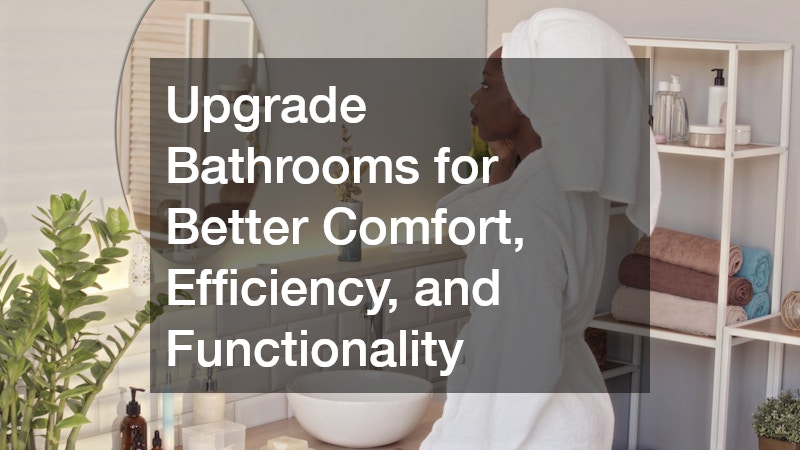
Bathrooms are among the most heavily used spaces in any home, making them important areas for strategic upgrades. Outdated layouts, poor ventilation, inefficient fixtures, and limited storage often reduce both comfort and functionality.
A bathroom remodel provides an opportunity to improve usability while modernizing materials and improving efficiency.
Common reasons homeowners renovate bathrooms include:
- Inadequate storage space
- Water damage or moisture problems
- Poor lighting and ventilation
- Outdated fixtures and finishes
- Accessibility concerns
Modern bathroom upgrades often focus on combining durability with comfort. Moisture-resistant materials reduce maintenance needs while improving longevity.
Important upgrade considerations include:
- Slip-resistant flooring for safety
- Water-efficient toilets and faucets
- Improved ventilation systems
- Better lighting placement and layering
Storage is another key aspect of efficient bathroom design.
Popular storage improvements include:
- Built-in shelving
- Recessed medicine cabinets
- Vanity drawer organizers
- Shower niches for toiletries
Ventilation is especially important because excess humidity contributes to mold growth and material deterioration.
Additional ways to improve bathroom functionality include:
- Installing larger showers or walk-in layouts
- Improving accessibility with wider entryways
- Adding dual sinks for shared spaces
- Using easy-to-clean surfaces and fixtures
Well-designed bathrooms improve daily routines while increasing property value and reducing long-term maintenance concerns.
Transform Lower-Level Spaces into Functional Living Areas
Basements offer valuable additional living space, but unfinished or poorly maintained lower-level areas often suffer from moisture problems, poor lighting, and limited functionality.
Working with a basement contractor helps homeowners address structural concerns and create spaces that are comfortable, durable, and suitable for long-term use.
Before beginning basement remodeling projects, homeowners should address:
- Moisture intrusion or leaks
- Foundation cracks
- Ventilation and airflow problems
- Insufficient insulation
Moisture management is one of the most important aspects of basement renovations because lower-level spaces are naturally more vulnerable to damp conditions.
Effective moisture prevention strategies include:
- Installing proper drainage systems
- Using dehumidifiers when needed
- Improving exterior grading around foundations
- Sealing cracks and water entry points
Popular basement conversion ideas include:
- Family rooms or entertainment spaces
- Home offices
- Guest suites
- Fitness rooms
- Storage and organization areas
Material selection is also important for basement durability.
Recommended materials include:
- Moisture-resistant flooring
- Mold-resistant drywall
- Durable insulation systems
- Properly sealed wall finishes
Lighting improvements can dramatically change how basement spaces feel. Combining recessed lighting, natural light solutions, and brighter finishes creates more inviting environments.
Finished basements improve functionality while increasing usable square footage and long-term property value.
Create a Seasonal Maintenance Routine That Supports Cleanliness and Efficiency
A structured maintenance routine helps homeowners stay proactive instead of reacting to costly problems after they develop. Seasonal planning ensures systems receive attention before heavy usage periods or severe weather conditions.
Spring maintenance priorities often include:
- Inspecting cooling systems before summer
- Cleaning gutters and drainage pathways
- Checking plumbing systems for winter damage
- Deep cleaning carpets and interior surfaces
Summer maintenance tasks may involve:
- Monitoring cooling efficiency
- Managing humidity levels indoors
- Cleaning outdoor ventilation equipment
- Inspecting landscaping and drainage systems
Fall preparation should focus on:
- Heating system inspections
- Sealing air leaks around doors and windows
- Cleaning drains and plumbing fixtures
- Preparing basements for colder temperatures
Winter maintenance often includes:
- Monitoring indoor humidity levels
- Preventing frozen pipes
- Maintaining heating system performance
- Checking lower-level spaces for moisture buildup
Keeping organized maintenance records also helps homeowners track recurring issues and plan future upgrades more effectively.
Increase Property Value Through Consistent Care and Smart Upgrades
Homes that are clean, efficient, and well-maintained consistently attract greater buyer interest and stronger resale value. Buyers increasingly prioritize homes with modern systems, healthy indoor environments, and evidence of preventative care.
High-impact improvements often include:
- Efficient heating and cooling systems
- Updated bathrooms and finished basements
- Clean flooring and improved indoor air quality
- Modern water treatment systems
Maintaining accurate service records also increases buyer confidence during inspections and appraisals.
Additional ways to improve resale appeal include:
- Maintaining organized utility and storage areas
- Addressing cosmetic wear promptly
- Choosing timeless finishes during remodeling projects
- Keeping plumbing and drainage systems in excellent condition
Consistent care demonstrates responsible ownership while improving both comfort and long-term property performance.
Conclusion: Creating a More Comfortable, Efficient, and Healthier Home
A truly comfortable home is built through consistent maintenance, thoughtful upgrades, and a proactive approach to cleanliness and efficiency. Heating and cooling systems, plumbing infrastructure, water quality, flooring, and functional living spaces all work together to support healthier and more enjoyable daily living. When one area is neglected, the effects often spread throughout the entire property.
One of the most important lessons homeowners can apply is the value of prevention. Small issues such as restricted airflow, hard water buildup, moisture problems, or neglected drains rarely improve on their own. Addressing these concerns early reduces repair costs, improves system performance, and prevents larger structural or financial problems later.
Strategic upgrades also provide long-term benefits that extend far beyond appearance alone. Modernized bathrooms improve functionality, finished basements create additional living space, efficient climate systems reduce utility costs, and improved water quality protects plumbing infrastructure and appliances. Together, these improvements create homes that are cleaner, healthier, and more efficient.
Organization and planning are equally important. Seasonal maintenance schedules, proactive budgeting, and regular inspections help homeowners manage repairs more effectively while avoiding unnecessary emergencies and disruptions. Coordinated home care ensures that systems continue operating efficiently while maintaining long-term property value.
Ultimately, creating a cleaner and more comfortable home requires more than occasional upgrades or deep cleaning projects. It involves a long-term commitment to preventative care, efficient system management, and thoughtful improvements. With the right strategy, homeowners can create living environments that remain healthy, reliable, and comfortable for many years to come.