
Improving functionality and storage throughout your home is not just about adding shelves or buying bins. It’s about designing spaces that support how you actually live, move, and maintain your household over time. When storage is thoughtful and intentional, everyday tasks become easier, cleaning takes less effort, and your home feels calmer and more spacious—even if its square footage never changes. This guide walks through practical, room-by-room and system-by-system strategies to help you create storage that works harder, lasts longer, and adapts as your needs change.
Creating a Smarter Storage Strategy Before Major Changes

Before adding new storage solutions, it’s critical to take a step back and evaluate what you own and how you use your space. Too often, storage upgrades fail because they are designed to accommodate clutter rather than eliminate it. Cabinets, shelves, and bins can’t fix disorganization if they’re built around habits that no longer make sense. Taking time to observe how rooms function day to day—where items naturally accumulate, which areas feel cramped, and which spaces go unused—creates clarity before any physical changes are made.
Major life transitions are often the best opportunity to rethink storage entirely, rather than forcing new systems around old clutter. These moments naturally disrupt routines and highlight inefficiencies that are easy to ignore during everyday life. When routines change, so do storage needs, making it the ideal time to reset instead of patching problems temporarily.
When preparing for moving, many homeowners realize how much they’ve been storing simply because there was room, not because the items were useful. Closets, garages, and basements often become long-term holding areas for things that once seemed important but haven’t been touched in years. Packing forces you to handle every item individually, which makes it impossible to ignore how much excess you’ve accumulated. This is the moment to assess what truly belongs in your home and what no longer serves a purpose, rather than transporting clutter from one space to another.
A structured clean-out process can make a massive difference because it replaces emotional decision-making with clear criteria. Instead of asking whether you might need something someday, the focus shifts to whether it actively supports your current lifestyle.
- Sort items into keep, donate, sell, and discard categories to create immediate clarity and prevent “maybe” piles from forming
- Evaluate storage areas one at a time instead of tackling the whole house, which helps prevent burnout and rushed decisions
- Be realistic about what you haven’t used in the last year, especially items stored out of sight that are easy to forget
This method also helps reveal duplicate items, outdated equipment, and broken belongings that quietly take up valuable space. As each area is cleared, it becomes easier to visualize how much storage you actually need versus how much you’ve been compensating for clutter.
For large-scale decluttering, a dumpster rental service can be a practical tool. Instead of letting discarded items pile up in the garage or yard, having a dedicated disposal option allows you to work efficiently without stopping to make repeated trips. This keeps momentum going and reduces the temptation to “save” items simply because getting rid of them feels inconvenient. It also creates a physical boundary between what’s leaving the home and what’s staying, reinforcing better decision-making throughout the process.
Once unnecessary items are gone, patterns start to emerge. You’ll notice where storage is insufficient, where space is wasted, and where future upgrades will have the most impact. Some rooms may need better vertical storage, while others benefit more from reconfigured layouts or fewer storage solutions altogether. Starting with a clean slate ensures that any storage you add later is purposeful rather than reactive, supporting how you live now instead of accommodating what you no longer need.
Maximizing Kitchen and Bathroom Functionality
Kitchens and bathrooms often feel short on storage because their layouts must work around essential systems hidden behind walls and cabinets. Pipes, drains, and shutoff valves take up valuable space, but that doesn’t mean storage potential is lost. In fact, these constraints often force more creative and efficient solutions that make better use of every inch. The problem usually isn’t the presence of infrastructure—it’s storage that was never designed to coexist with it.
Many homeowners hesitate to improve these areas because they worry about interfering with a plumbing service or causing future repair issues. This concern is valid, especially in tight spaces where access is already limited. The key is designing storage that works with infrastructure rather than against it, ensuring that essential components remain reachable without dismantling cabinets or removing shelves.
Smart strategies include:
- Installing U-shaped drawers or adjustable shelving under sinks, which preserves access to pipes while still providing structured storage
- Using pull-out organizers that slide around pipes, allowing you to fully use cabinet depth instead of losing space to fixed shelves
- Adding shallow shelves on cabinet doors for lightweight items like cleaning supplies or toiletries, keeping essentials visible and easy to reach
These approaches not only increase storage capacity but also improve day-to-day usability by preventing cluttered, hard-to-access cabinets.
In older homes, local plumbing configurations may not have been designed with modern storage needs in mind. Drain placement, bulky shutoff valves, or outdated pipe routing can severely limit usable space under sinks. In some cases, a small layout adjustment—like shifting a drain line or repositioning a shutoff valve—can sometimes open up surprising amounts of usable space. These minor changes can transform a cramped cabinet into a functional storage zone without requiring a full renovation.
Bathrooms benefit greatly from vertical storage because floor space is often limited. Making better use of wall height helps keep essentials accessible while maintaining a clean, open feel.
- Tall cabinets instead of wide vanities provide more storage without expanding the footprint
- Recessed shelving between wall studs adds storage without protruding into the room
- Over-toilet storage that doesn’t crowd the room turns an often-wasted area into functional space
When storage solutions respect access requirements for repairs, you avoid future frustration while gaining a more organized, functional space. Thoughtful planning ensures that routine maintenance remains simple while your kitchen and bathroom storage finally works as hard as the rest of your home.
Turning the Garage Into a True Storage Hub

The garage is often the most underutilized storage area in the home. Instead of being a planned system, it becomes a catch-all for items that don’t have an obvious place elsewhere. Over time, this leads to stacked boxes, scattered tools, and unused floor space that makes the garage difficult to walk through, let alone use effectively. When everything is stored “temporarily,” nothing is stored intentionally, and the space loses its purpose.
Installing a garage cabinet system immediately changes how the space functions. Cabinets introduce structure where there was once chaos, turning open piles into contained, accessible storage. They protect items from dust, moisture, and temperature fluctuations while also creating visual order. Just as importantly, cabinets encourage better organization habits because everything has a defined place, making it easier to maintain the system long-term.
Effective garage organization starts with zoning, which means assigning specific functions to different parts of the space instead of treating it as one large storage area.
- One area for tools and maintenance equipment, ideally near a workbench or power source for easy access
- One area for seasonal items such as holiday decorations, lawn equipment, or sports gear that can be rotated throughout the year
- One area for household overflow storage, including bulk supplies or items used less frequently indoors
Zoning prevents frequently used items from getting buried behind rarely accessed belongings and reduces the need to constantly reshuffle storage.
Wall-mounted cabinets and shelving free up floor space, making the garage safer and easier to navigate. Keeping items off the ground reduces tripping hazards and makes cleaning simpler. Vertical storage also allows room for vehicles, bikes, or work areas without sacrificing organization. Clear labeling further reinforces organization, especially in shared households where multiple people rely on the same storage systems.
Before installing permanent storage, it’s wise to clear out broken, duplicate, or obsolete items. In many cases, homeowners underestimate how much waste has accumulated over the years because it’s spread across shelves, boxes, and corners. Using a dumpster rental service during this phase allows for a fast reset without clutter creeping back in. Having an easy disposal option removes the temptation to keep items “just in case” and helps establish a clean foundation for the new system.
A well-organized garage becomes more than storage—it becomes a functional workspace that supports the entire home. With intentional layout, durable cabinets, and clearly defined zones, the garage transforms into a practical extension of the living space rather than a forgotten dumping ground.
Improving Outdoor Living Storage Without Sacrificing Style
Outdoor spaces are often overlooked when it comes to storage, yet they play a major role in home functionality. Patios, yards, and entertaining areas all require equipment, furniture, and supplies that need a proper place when not in use.
A stone patio can double as a storage solution when designed thoughtfully. Built-in seating with hidden compartments, raised planters with storage cavities, and weather-resistant storage benches all add utility without compromising aesthetics.
Safety and accessibility are especially important outdoors. Items like local propane tanks must be stored in well-ventilated, designated areas that meet clearance requirements while remaining easy to access.
Consider these outdoor storage principles:
- Choose materials designed to withstand moisture and temperature changes
- Avoid blocking walkways or emergency access points
- Keep frequently used items close to activity zones
When outdoor storage is integrated into the design from the start, it enhances both usability and visual appeal rather than feeling like an afterthought.
Preventing Water and Drain Issues That Destroy Storage Areas
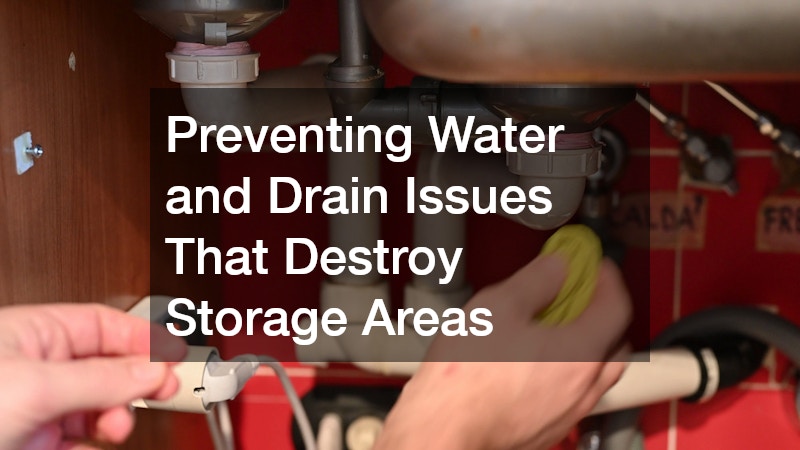
Storage areas are only as reliable as the systems protecting them. Basements, utility rooms, and lower-level storage spaces are particularly vulnerable to water damage, which can destroy stored items and undermine organization efforts.
Drainage issues often develop slowly, going unnoticed until damage occurs. Preventive measures are far less disruptive than emergency repairs.
One effective maintenance approach is hydrojetting, which clears buildup from pipes before blockages cause backups or leaks. This process helps protect storage areas located near drains by reducing the risk of overflow.
Routine checks of local plumbing systems can identify early warning signs:
- Slow drains near storage areas
- Musty odors or persistent dampness
- Discoloration on walls or floors
Keeping storage areas dry isn’t just about protecting belongings—it’s about maintaining a healthy home environment. Proper drainage ensures that storage investments remain intact for years to come.
Upgrading Storage While Addressing Roofing and Structural Concerns
Upper-level storage, such as attics, often goes underused because homeowners are unsure whether the space is safe or suitable. Structural integrity plays a major role in how storage can be added above living areas.
Leaks or insulation issues can quietly damage stored items long before problems become visible inside the home. Consulting roofing companies before investing in attic storage ensures that the space is secure and properly sealed.
In some cases, roof replacement projects create an ideal opportunity to improve insulation, ventilation, and structural support all at once. Coordinating these upgrades allows homeowners to safely convert underused attic space into organized storage.
Key considerations include:
- Weight limits for stored items
- Proper flooring to distribute load evenly
- Adequate lighting and access
When structural concerns are addressed proactively, attic storage becomes a reliable extension of the home rather than a risk.
Organizing Utility Areas for Safety and Accessibility
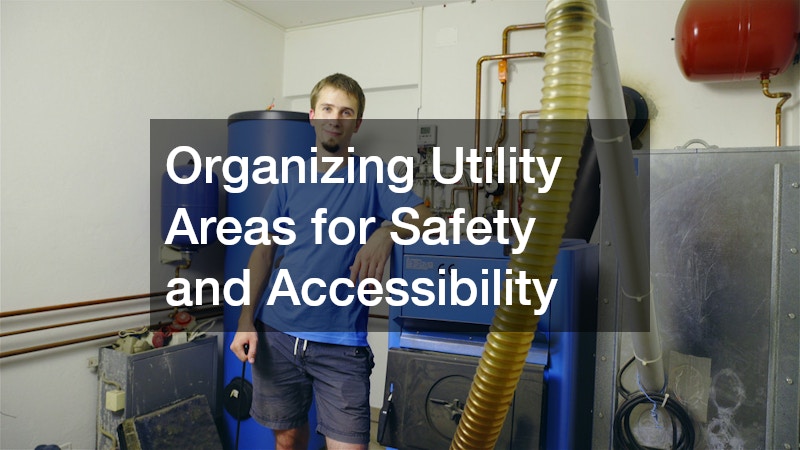
Utility rooms are essential yet often poorly organized. Because these spaces house critical systems, storage must be planned carefully to maintain safety and accessibility.
Items such as local propane tanks require specific clearance and ventilation. Storage solutions must respect these requirements while still allowing for orderly organization of tools, filters, and maintenance supplies.
Similarly, areas near a plumbing service access point should remain unobstructed. Instead of crowding these zones, use clearly labeled shelving or wall-mounted storage that keeps items visible and reachable without blocking equipment.
Effective utility room organization includes:
- Open shelving for frequently accessed supplies
- Lockable cabinets for hazardous materials
- Clear signage for shutoffs and controls
When utility areas are organized intentionally, maintenance becomes easier and emergencies are less stressful.
Coordinating Large Home Projects Without Losing Organization
Major home projects often disrupt storage systems temporarily, but without a plan, that disruption can become permanent. Boxes get stacked, items get misplaced, and clutter creeps back in.
During moving or renovation projects, temporary storage strategies are essential. Using clear bins, labeling everything, and designating “active” versus “stored” items helps maintain order even during chaos.
Large projects also generate debris and discarded materials quickly. A dumpster rental service can prevent piles from overtaking garages and driveways, making it easier to stay organized throughout the process.
To protect your storage systems during projects:
- Cover installed cabinets and shelving
- Keep essential items in a designated zone
- Reassess storage needs once work is complete
By treating organization as part of the project plan—not something to fix afterward—you preserve functionality long-term.
A home that functions well is one where storage supports daily life instead of complicating it. When storage is planned alongside infrastructure, outdoor spaces, and long-term maintenance, it becomes an asset rather than a limitation. Thoughtful organization reduces stress, protects your belongings, and allows your home to adapt as your needs evolve. With careful planning and intentional upgrades, every space in your home can work smarter and feel more livable for years to come.