Why Proactive Plumbing Maintenance Saves Time and Money
Your home’s plumbing system is something you likely don’t think about—until something goes wrong. From slow drains to unexpected leaks, plumbing issues can quickly disrupt your daily routine and lead to costly repairs if left unchecked. The good news is that many of these problems are preventable with the right approach.
Keeping your plumbing system running smoothly isn’t about reacting to emergencies—it’s about staying proactive. With regular maintenance, smart habits, and timely upgrades, you can extend the life of your system and avoid major headaches down the road.
This guide will walk you through practical steps you can take to keep everything flowing efficiently, helping you save time, money, and stress.
Schedule Routine Inspections to Catch Problems Early
One of the most effective ways to maintain your plumbing system is by scheduling routine inspections. Professional plumbers are trained to identify early warning signs that most homeowners would miss, such as small leaks, pipe corrosion, pressure irregularities, and hidden water damage. These issues often start small but can escalate quickly if not addressed in time.
Plumbing services typically include a full system check, evaluating everything from visible fixtures to less accessible components like pipes behind walls or under floors. This proactive approach allows you to fix minor problems before they turn into major repairs that require significant time and expense.
Establishing a yearly inspection schedule is a smart baseline for most homes. However, if you live in an older property or have experienced frequent plumbing issues, more frequent evaluations may be necessary. Keeping a simple maintenance log or calendar can help you stay organized and ensure nothing is overlooked.
Routine inspections also provide peace of mind. Knowing your system is functioning properly reduces the risk of unexpected emergencies and allows you to plan for upgrades or repairs on your own timeline rather than reacting under pressure.
Address Small Leaks and Drips Before They Escalate
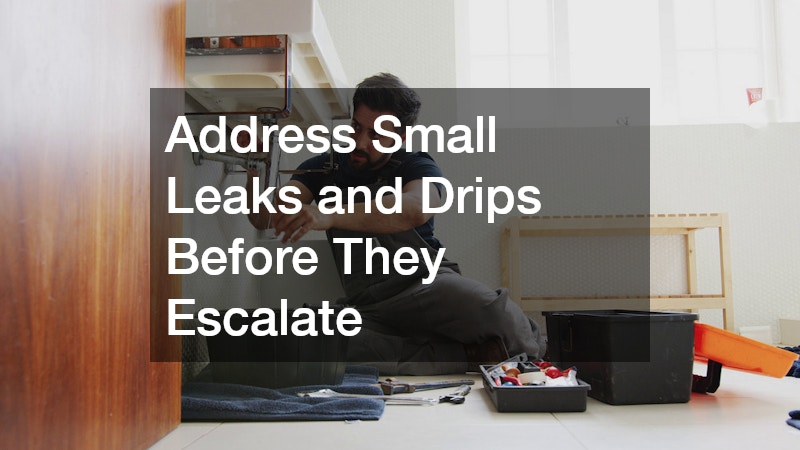
Small plumbing issues are easy to ignore, but they can quickly develop into much larger problems. A dripping faucet or a slow leak under a sink might seem minor, but over time, these issues can waste significant amounts of water and increase your utility bills. Even worse, hidden leaks can lead to mold growth, wood rot, and structural damage.
Leaks often occur due to worn-out components such as washers, seals, or pipe connections. While some of these fixes are simple enough for a homeowner to handle, others may require professional attention to ensure they are properly resolved.
One of the best ways to detect leaks early is to monitor your water usage. If you notice an unexplained increase in your water bill, it could indicate a hidden problem. Visual signs like water stains, bubbling paint, or musty odors are also strong indicators that something isn’t right.
Taking immediate action when you notice a leak helps prevent further damage and keeps your plumbing system functioning efficiently. Staying proactive with these small fixes saves both time and money in the long run.
Maintain Your Water Heater for Consistent Performance
Your water heater is one of the most heavily used appliances in your home, and regular maintenance is essential to keep it operating efficiently. Over time, sediment from minerals in your water can accumulate at the bottom of the tank, reducing efficiency and putting extra strain on the system.
Scheduling regular water heater service helps remove this buildup and ensures all components are functioning correctly. Flushing the tank, inspecting the heating elements, and checking safety features like the pressure relief valve are all important maintenance steps.
You should also pay attention to performance changes. If your water takes longer to heat up or doesn’t stay hot for as long as it used to, it may be a sign that your system needs attention. Addressing these issues early can prevent more serious problems down the line.
Maintaining your water heater not only improves performance but also extends its lifespan. A well-maintained unit uses less energy, reduces utility costs, and provides reliable hot water for your daily needs.
Know When It’s Time to Upgrade Your Water Heater
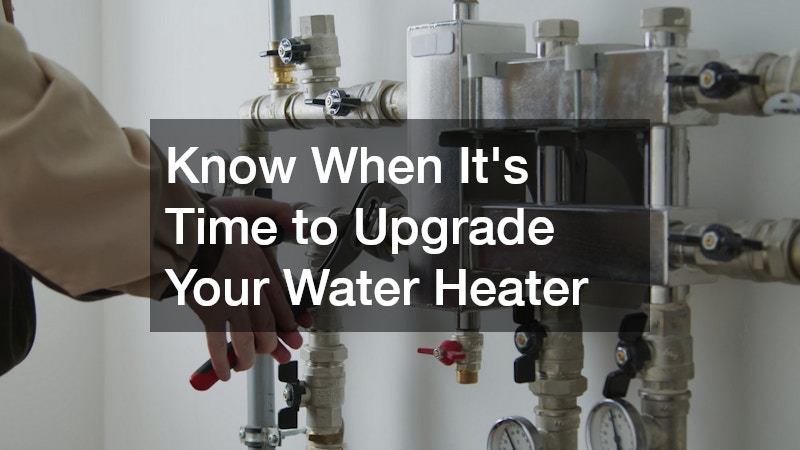
Even with proper maintenance, every water heater has a limited lifespan. Knowing when to upgrade can help you avoid unexpected breakdowns and costly emergency repairs. Most units last between 10 and 15 years, depending on usage and maintenance.
Common signs that it’s time for water heater replacement include inconsistent temperatures, unusual noises like rumbling or banging, and visible signs of rust or corrosion. If your unit is struggling to meet your household’s demands, it may no longer be operating efficiently.
Investing in new water heater installation can provide significant benefits. Modern systems are designed to be more energy-efficient, reducing both your environmental impact and monthly utility costs. They also offer improved performance and reliability.
Upgrading before your system fails completely allows you to research options, compare models, and choose the best fit for your home. This proactive approach ensures you’re not forced into a rushed decision during an emergency situation.
Keep Drains Clear with Regular Preventative Care
Clogged drains are one of the most common plumbing issues, but they’re also one of the most preventable. Over time, debris such as hair, soap residue, grease, and food particles can build up inside your pipes, restricting water flow and eventually causing blockages.
Regular drain cleaning helps keep your system running smoothly by removing this buildup before it becomes a serious problem. Simple practices like flushing drains with hot water or using natural cleaning solutions can make a noticeable difference.
Clogged drains often begin with slow drainage or minor backups. These early warning signs should not be ignored, as they can quickly escalate into complete blockages that require professional intervention.
Avoid using harsh chemical cleaners, as they can damage your pipes over time. Instead, focus on preventative care and safe cleaning methods to maintain the integrity of your plumbing system.
Be Mindful of What Goes Down Your Pipes

Your everyday habits have a direct impact on your plumbing system. Many common items can cause blockages when they enter your pipes, leading to costly repairs and maintenance.
In the kitchen, avoid pouring grease, oil, or food scraps down the sink. These substances can solidify and create buildup inside your pipes. In the bathroom, items like wipes, cotton balls, and hygiene products should never be flushed.
Professional drain services can help remove stubborn buildup and keep your system functioning properly. However, prevention is always the best approach. Using drain screens is a simple yet effective way to catch debris before it enters your pipes.
Educating everyone in your household about proper disposal habits is also important. Small changes in daily routines can significantly reduce the risk of clogs and keep your plumbing system running efficiently.
Monitor Your Sewer System for Early Warning Signs
Your sewer system is responsible for carrying waste away from your home, making it a critical part of your plumbing infrastructure. Problems in this system can lead to serious issues if not addressed promptly. Because most of the system is underground and out of sight, issues can go unnoticed until they become severe, which is why awareness and routine monitoring are so important.
Warning signs that you may need sewer line repairs include foul odors, slow drains throughout your home, and recurring backups. These issues are often caused by tree root intrusion, pipe damage, or blockages. You may also notice unusual sounds, such as gurgling coming from drains or toilets, which can indicate air trapped in the system due to a blockage. Wet patches in your yard or unusually lush grass in certain areas can also signal a leaking sewer line.
Ignoring these signs can result in extensive damage and costly repairs. Left unresolved, sewer issues can lead to wastewater backups inside your home, structural damage to your property, and even potential health hazards. What starts as a minor blockage can escalate into a full system failure if not handled in time.
Regular inspections and prompt action are essential for maintaining a healthy sewer system. By staying alert to these warning signs, you can address problems early and avoid more serious complications that disrupt your home and daily routine.
Plan for Long-Term Infrastructure Improvements
In some cases, repairs may not be enough to resolve ongoing plumbing issues. When systems become outdated or severely damaged, residential sewer line installation may be the best solution. Older pipes made from materials like clay or cast iron are especially prone to cracking, corrosion, and root intrusion, which can lead to repeated problems over time.
Upgrading your sewer line provides long-term reliability and reduces the risk of recurring problems. Modern materials are more durable and resistant to issues like corrosion and root intrusion. They are designed to handle today’s usage demands while maintaining structural integrity for decades. This means fewer disruptions, less maintenance, and greater peace of mind for homeowners.
Planning ahead allows you to budget for these improvements and avoid emergency situations. Instead of dealing with unexpected backups or costly repairs, you can take a proactive approach and schedule the work at a convenient time. This also gives you the opportunity to explore different installation methods, such as trenchless options, which can minimize disruption to your yard.
Working with experienced professionals ensures the installation is done correctly and meets all necessary standards. Proper installation is critical to prevent future issues and ensure your system functions efficiently. Investing in long-term solutions not only improves your plumbing system’s performance but also adds value to your home, making it more attractive to potential buyers.
Protect Your Plumbing System from Seasonal Changes
Seasonal changes can place added stress on your plumbing system. Cold temperatures can cause pipes to freeze and burst, while increased usage during warmer months can strain your system. Without proper preparation, these seasonal shifts can lead to unexpected repairs and costly damage.
During the winter, exposed pipes in areas like basements, crawl spaces, and exterior walls are especially vulnerable. Insulating these pipes helps retain heat and reduces the risk of freezing. It’s also important to keep your home at a consistent temperature, even when you’re away, to prevent sudden drops that can affect your plumbing. Allowing faucets to drip slightly during extreme cold can relieve pressure in the system and further reduce the chance of pipes bursting.
In the warmer months, plumbing systems often face increased demand from activities like watering lawns, filling pools, and hosting guests. This added usage can put stress on pipes, fixtures, and water heaters. Monitoring your water usage and spacing out high-demand activities can help prevent overloading your system.
Seasonal transitions are also a good time to inspect your plumbing for any signs of wear or damage. Checking for leaks, testing water pressure, and ensuring outdoor fixtures are functioning properly can help you catch issues early.
Taking preventative measures ensures your plumbing remains reliable year-round and reduces the likelihood of unexpected issues.
Know When to Call a Professional Instead of DIY
While DIY fixes can be helpful for minor issues, more complex problems require professional expertise. Attempting major repairs without the proper knowledge can lead to costly mistakes. What may seem like a simple fix—such as tightening a connection or replacing a small component—can quickly escalate if underlying issues are overlooked or handled incorrectly.
For example, trying to fix persistent leaks, low water pressure, or recurring clogs without a full understanding of your system can result in further damage. In some cases, improper repairs can even create safety risks, such as water damage, mold growth, or compromised pipe integrity. These situations often end up costing more to correct than if a professional had been called from the start.
Experienced plumbers and professional plumbing services have the tools and training needed to handle complex issues safely and efficiently. They can accurately diagnose problems, identify root causes, and implement long-lasting solutions rather than temporary fixes. This level of expertise ensures that repairs are done correctly the first time.
Another advantage of working with professionals is their ability to spot potential issues before they become major concerns. During a repair, they may notice early signs of wear or damage that would otherwise go unnoticed, helping you avoid future problems.
Keep Your Plumbing System Reliable for Years to Come
Maintaining a smooth-running plumbing system doesn’t have to be complicated. By staying proactive, addressing issues early, and adopting smart habits, you can prevent many common problems before they start.
With the right approach, your plumbing system can continue to support your home comfortably and efficiently for years to come.