Summer is the season for backyard barbecues, children playing catch on the lawn, and warm evening relaxation on the patio. When the sun stays out late, our yards become the central gathering place for family, friends, and pets. We put a lot of work into making these spaces look beautiful, planting bright flowers and keeping the grass green. However, a beautiful yard can sometimes hide unexpected safety hazards that are easy to overlook during a busy work week.
Overgrown branches, hidden stinging insect nests, uneven turf, and chemical missteps can quickly turn a weekend sanctuary into a hazardous zone. Preventive landscape care is not just about keeping up with the neighbors or building curb appeal. Instead, it serves as a protective shield that keeps your family and property safe from common summer accidents. By taking a proactive approach to your outdoor space, you can stop property damage and painful injuries before they ever have an opportunity to disrupt your seasonal fun.
This article provides a step-by-step guide to securing your property for the hot months ahead. We will look closely at how to identify weak trees, how to feed your lawn evenly without causing chemical risks, and how to eliminate the environmental factors that invite dangerous pests into your living space. With a few practical adjustments, you can ensure that your backyard remains a secure, peaceful haven all season long.
Inspecting High Branches and Removing Weak Timber Before Summer Storms Hit
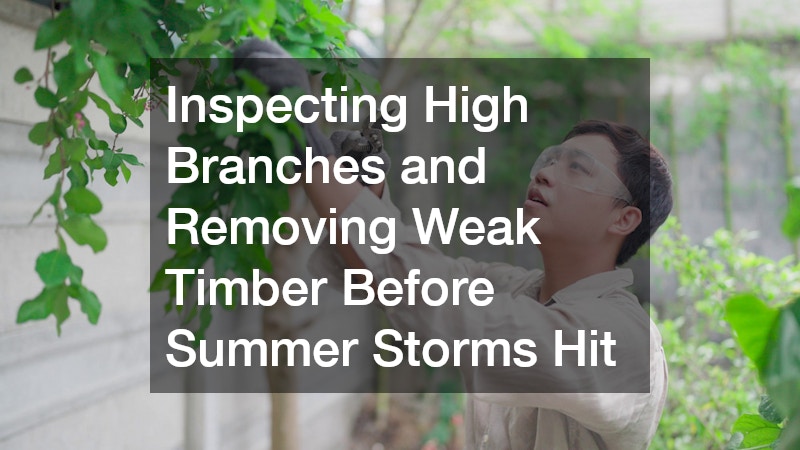
When we think about yard safety, we usually focus on what is happening right at our feet. However, some of the most dangerous summer hazards hang directly over our heads. Heavy summer rainstorms, sudden high winds, and unexpected severe weather can turn weakened tree branches into major liabilities. In the landscaping industry, dead or detached limbs that are caught high up in a tree canopy are often called widowmakers because they can fall without warning on anyone sitting below.
To protect your outdoor living spaces, you should perform a visual tree audit at the start of every season. Walk your property and look up into the branches of any major trees that hang over your roof, driveway, patio, or children’s play areas. Keep a sharp eye out for dead wood, which usually lacks leaves or has peeling bark. Check the spots where major limbs attach to the main trunk; deep cracks or V-shaped forks are signs of structural weakness. Furthermore, look for low-hanging branches that scrape against your roofing shingles or weigh down your gutters, as these can create entry pathways for rodents and cause roof damage during a storm.
Taking care of minor, low-hanging branches is a manageable task for most homeowners with a quality pair of hand pruners. However, tackling large limbs or working high off the ground carries immense physical risk. If a tree shows signs of deep trunk rot, fungal growth at the base, or has large sections of dead canopy, you need specialized assistance.
Hiring professional tree trimming services ensures that weak branches are cut down cleanly using proper safety rigging, which keeps the limbs from crashing onto your home. In severe cases where a tree is completely dead or leaning dangerously toward a structure, a full tree removal is the only responsible way to eliminate the threat and keep your family secure.
Calibrating Your Equipment and Evening Out Hidden Holes in the Lawn
A smooth, level lawn is the foundation of a safe summer yard. When kids are running around playing tag or adults are carrying trays of food to the grill, a minor dip or hidden hole in the turf can easily cause twisted ankles or nasty falls. Over the winter and spring, lawns naturally develop uneven spots due to soil settling, heavy foot traffic, and the digging habits of local wildlife or neighborhood pets.
Before you host your first summer gathering, take time to standardize your turf evaluation. Walk your lawn in a grid pattern to locate hidden hazards. Look for holes dug by dogs or squirrels, areas where water puddles after a rainstorm, and exposed tree roots that have broken through the surface of the soil. You can easily fix small depressions by mixing equal parts topsoil and fine sand, filling in the low spots, and tamping the mixture down gently before throwing over a handful of fresh grass seed.
Summer lawn care also involves feeding your turf so it stays thick and healthy enough to naturally crowd out weeds. However, applying lawn products carelessly can introduce safety risks for your family and pets. Piles of spilled fertilizer can burn the grass, leave chemical residues that transfer to bare feet, and wash into local storm drains during heavy rain.
Using an electric fertilizer spreader helps you distribute grass food or weed control uniformly across the yard, preventing dangerous chemical concentrations. If your lawn requires advanced grading, large-scale soil aeration, or structural hardscaping to manage erosion, partnering with a licensed local landscaping contractor can save you weeks of intense physical labor and ensure the job is done right.
Eliminating Standing Water and Managing Thick Brush Lines to Stop Infestations
Insects are a natural part of the outdoor environment, but certain species pose direct threats to our health and comfort. Mosquitoes and ticks are the two most troublesome summer pests, capable of ruining a backyard party and spreading serious illnesses. Managing these populations requires a systematic approach that focuses on altering the environment so bugs cannot breed or find shelter near your home.
Mosquitoes require an incredibly small amount of stagnant water to lay their eggs. In fact, a single bottle cap or a crumpled plastic wrapper hidden in the bushes can hatch hundreds of mosquitoes in less than a week. Ticks, on the other hand, do not fly or jump; they wait on the tips of tall grass and thick brush, brushing onto humans or pets who walk past.
To create an environment that is naturally hostile to these annoying bugs, follow these maintenance practices:
- Clear the Gutters: Remove dead leaves and twigs from your gutters regularly so rainwater drains freely instead of pooling along your roofline.
- Drain Stagnant Containers: Tip over wheelbarrows, empty unused flowerpots, and refresh the water in birdbaths every few days to disrupt the mosquito breeding cycle.
- Maintain Clear Borders: Mow your grass regularly and trim back thick brush lines along the edges of your property to reduce tick habitats.
- Create Protective Barriers: Place a three-foot-wide path of wood chips or gravel between lawn areas and wooded zones to discourage ticks from crawling into your main yard.
When environmental adjustments are not quite enough to handle a heavy influx of summer bugs, you may need a more direct treatment strategy. Applying targeted pest control barrier treatments to the underside of dense foliage and shady breezeways can decimate adult mosquito populations.
If you notice a major surge in biting insects or find yourself dealing with an active infestation, investing in comprehensive pest control services will help restore order, keeping your outdoor spaces comfortable and safe for evening relaxation.
Locating Hidden Underground Nests and High-Traffic Insect Corridors
While mosquitoes and ticks are stealthy nuisances, stinging insects like wasps, hornets, and yellow jackets present an immediate, painful hazard. A single sting can cause severe discomfort, and for anyone with an undiagnosed allergy, it can trigger a life-threatening medical emergency. As summer temperatures rise, these insect colonies expand rapidly, making them highly defensive of their nesting sites.
The most treacherous stinging insect threat usually comes from subterranean yellow jackets. These insects build massive colonies inside old rodent burrows or hollow spaces beneath landscape timber. Because their entry holes are flush with the ground, they are incredibly difficult to see. Homeowners often discover them accidentally by running a noisy lawnmower directly over the nest entrance, which triggers a furious, coordinated attack by thousands of angry insects.
If you discover a stinging insect colony, avoid the temptation to handle it with retail spray cans from the grocery store. Standard storefront foams often fail to reach the deep core of an underground nest, and spraying the exterior entrance can cause the colony to scatter, driving the defensive insects closer to your patio or back door.
Enlisting a professional yellow jacket extermination service is the safest route because they use specialized protective suits and heavy-duty dusts that eliminate the queen deep within the soil. Turning the problem over to a trusted local pest control company ensures that high-traffic insect corridors are neutralized safely, keeping your weekend projects from ending in an unexpected trip to the clinic.
Additionally, these experts have the training and experience to identify nests that may not be visible to the untrained eye, which can significantly reduce the risk of being stung. Moreover, proper extermination prevents future infestations, allowing you to enjoy your outdoor space worry-free. Trusting professionals not only enhances safety but also gives you peace of mind as they handle the problem efficiently.
Dealing With High Humidity and Intense Insect Breeding Seasons
Landscape maintenance needs change drastically depending on where you live. In the southern regions of the country, homeowners face unique environmental pressures that make summer yard care a year-round battle. High average humidity, long periods of intense heat, and short, mild winters create an ecosystem where plants grow at an explosive rate, and insect populations rarely go dormant.
In these warm climates, common backyard issues can escalate into major structural threats much faster than in cooler northern zones. For example, fire ant mounds can pop up overnight across an entire lawn, creating a hazardous environment for children and pets. High moisture levels also cause mulch to rot quickly, creating a perfect feeding ground for wood-destroying insects right against your home’s foundation.
Standard DIY advice found on general internet forums often fails to address these intense regional realities, as cheap surface treatments can easily wash away during sudden tropical downpours or break down rapidly under direct summer sunlight.
Managing these intense seasonal pressures requires local expertise and specialized tools. If you want to keep your property secure all summer long, it is incredibly helpful to work with experts who understand the unique soil conditions and pest behaviors of your specific area.
Securing comprehensive South Carolina pest control protection allows you to stay ahead of the breeding cycles of regional pests before they take over your porch.
Partnering with an experienced South Carolina exterminator ensures that your exterior perimeter treatments are strong enough to withstand heavy regional humidity, giving you long-lasting peace of mind and keeping your backyard safe throughout the hottest months of the year.
In addition to effective pest control, these professionals can offer valuable insights into preventative measures to keep your home pest-free. Regular inspections and treatments can not only help in managing current pest issues but also in preventing future infestations. With their expertise, you can enjoy a worry-free outdoor space, perfect for summer gatherings and family activities.
Creating a Lasting Shield for Summer Fun

Taking care of a home and yard is a continuous process that rewards patience and consistent effort. There is a deep sense of satisfaction that comes from spending a Saturday morning mowing the lawn, trimming back small bushes, and setting up your outdoor space for an evening meal with friends. Basic maintenance keeps our properties looking beautiful and ensures that simple hazards are kept at bay.
However, true backyard safety means recognizing when a job requires professional training, commercial tools, and specialized safety gear. Whether you are dealing with large, dangerous tree branches hanging over your roof, an aggressive colony of underground stinging insects, or a relentless surge of regional pests, knowing when to bring in an expert is a sign of smart home ownership. Trying to force a DIY solution for a complex problem often results in wasted money, ruined equipment, and unnecessary safety risks for your household.
By staying observant, keeping your turf level, clearing away stagnant water, and watching out for hidden environmental hazards, you can build a secure foundation for all your seasonal activities. Treat your property as a valuable investment, stay ahead of nature’s surprises, and do not hesitate to call in the right professionals when a task moves beyond your comfort zone. With a proactive plan in place, you can sit back, relax, and enjoy everything the sunny season has to offer without a worry in the world.