Essential Property Services Every Home and Business Owner Should Know
Introduction
Owning or managing a property—whether residential, commercial, or mixed-use—comes with ongoing responsibilities that extend far beyond routine cleaning and cosmetic upkeep. Over time, every property relies on specialized service providers to maintain safety, functionality, and long-term value. Some needs emerge gradually through wear and usage, while others appear suddenly due to weather, system failure, or unexpected damage.
Many property owners underestimate the importance of advance planning until an urgent situation arises. Scrambling to find help during an emergency often leads to higher costs, rushed decisions, and limited options. In contrast, those who understand essential service categories and establish trusted relationships ahead of time are better prepared to respond calmly and efficiently.
This guide is designed to help homeowners and business owners understand the most critical property services they are likely to need. Rather than focusing on sales or technical jargon, the discussion centers on practical decision-making: what to watch for, when to act, and how to evaluate professionals before problems escalate. With thoughtful preparation, property maintenance becomes more predictable, manageable, and cost-effective.
In addition to saving money and preventing damage, having reliable professionals in place reduces stress, improves long-term planning, and ensures that properties remain safe, efficient, and aesthetically appealing. Planning ahead also allows property owners to coordinate multiple services, budget effectively, and avoid unnecessary disruptions to daily life. Proactive oversight provides clarity in decision-making, allowing owners to anticipate needs rather than simply react to crises. By developing a clear understanding of essential service categories and maintaining organized records, property owners gain confidence in their ability to safeguard their investments. This guide explores each major category in detail, providing actionable tips, preventative strategies, and insights into what separates average providers from truly reliable local experts, helping property owners make informed decisions with confidence.
Protecting Critical Water and Waste Systems Before Problems Escalate
Water supply and waste management systems operate largely out of sight, yet they play a foundational role in daily operations. When these systems fail, the impact can range from inconvenience to severe property damage or health concerns. Proactive oversight is essential, especially for properties that rely on independent infrastructure rather than municipal connections.
A septic company typically handles inspection, maintenance, and repair of underground waste systems. These systems require periodic evaluation to ensure proper flow, structural integrity, and compliance with local regulations. Delaying service often leads to backups, soil contamination, or costly excavation. Routine maintenance also extends the lifespan of septic tanks, prevents foul odors, and minimizes the risk of environmental damage.
Similarly, water well contractors support properties that depend on private water sources. These professionals address pump performance, water quality testing, pressure issues, and structural well integrity. For rural properties or those without municipal water access, proper well maintenance is critical for consistent water quality and safe drinking water.
Key steps property owners should take include:
-
Scheduling regular inspections rather than waiting for signs of failure
-
Keeping detailed records of service dates and findings
-
Monitoring water pressure, odors, and drainage patterns
-
Understanding recommended service intervals based on usage
-
Testing water quality periodically to detect contaminants early
Early detection of minor issues can prevent full system failure. A proactive approach also helps property owners budget realistically and avoid emergency premiums. These systems may be hidden underground, but their maintenance should never be overlooked. In fact, prioritizing water and waste systems often saves thousands in repairs down the line.
Strengthening Structural Foundations for Longevity and Compliance
Concrete plays a critical role in structural stability, especially in commercial environments where buildings endure heavier loads, constant foot traffic, and vehicle usage. Cracks, uneven surfaces, or settling may appear minor at first but often indicate deeper structural stress.
Commercial concrete contractors specialize in assessing and repairing these conditions. Their work goes beyond surface-level patching to address underlying causes such as soil movement, drainage issues, or improper load distribution. For example, a sidewalk that seems merely cosmetic could be signaling drainage problems or foundation shifts that affect the entire structure.
Property owners should pay attention to:
-
Expansion cracks that widen over time
-
Pooling water near foundations or slabs
-
Uneven walkways or loading areas
-
Signs of erosion around structural elements
-
Sudden settling or sinking areas that affect access or safety
When evaluating professionals, consider:
-
Experience with similar property types
-
Familiarity with local building codes
-
Detailed repair plans rather than generic solutions
-
Clear timelines and disruption mitigation strategies
-
Recommendations for preventative maintenance after repairs
Concrete repairs are most effective when coordinated with other property improvements. Addressing structural concerns early helps preserve safety, maintain compliance, and avoid operational disruptions—particularly in business environments. A well-maintained foundation supports not only the property’s physical integrity but also its long-term financial value.
Maintaining Roof Integrity to Prevent Interior and Financial Damage
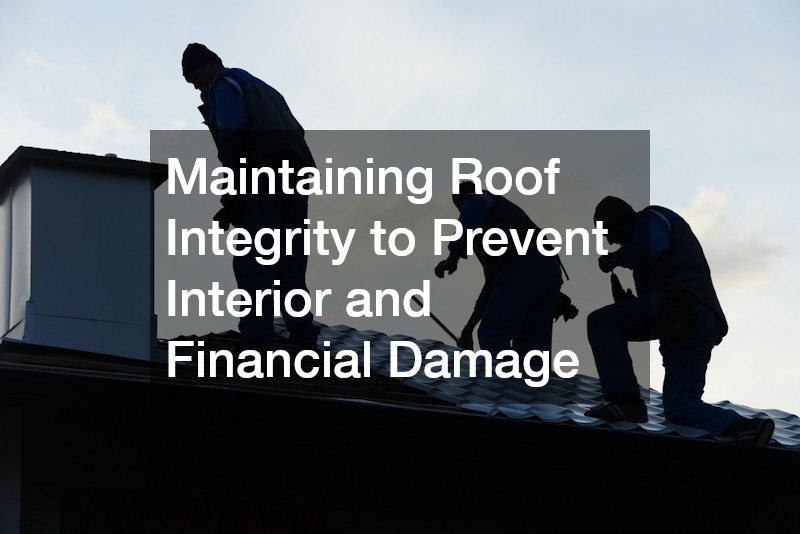
The roof is one of the most critical components of any structure, protecting everything beneath it from weather exposure. Despite its importance, roofing issues are often ignored until leaks or interior damage become impossible to overlook.
Routine inspections and timely maintenance are essential parts of responsible ownership. Roofing systems deteriorate gradually due to sun exposure, wind, moisture, and debris accumulation. Left unchecked, small vulnerabilities can lead to insulation damage, mold growth, and structural deterioration. Regular inspections can catch minor leaks, damaged shingles, or deteriorated flashing before they create significant interior damage.
In regions with intense weather patterns, roof repair jacksonville fl services are often sought after storms or prolonged heat exposure. Local climate conditions influence material lifespan and inspection frequency, and experienced roofing professionals understand the nuances of regional weather impacts.
Property owners should focus on:
-
Scheduling inspections after major weather events
-
Clearing debris from drainage systems
-
Reviewing flashing, seams, and penetrations
-
Understanding warranty coverage and exclusions
-
Documenting roof condition for insurance purposes
Working with experienced professionals ensures repairs are appropriate for the structure and environment. Roofing is not just about preventing leaks—it’s about preserving the integrity and value of the entire property. Preventative maintenance can extend roof life by years, saving thousands in replacement costs and protecting interior finishes and equipment.
Preventing Plumbing Emergencies Through Routine Oversight
Plumbing systems endure constant use and are vulnerable to wear, corrosion, and blockages. Minor plumbing issues often present early warning signs, yet they are frequently ignored until they escalate into emergencies.
A reliable local plumber can help property owners establish maintenance schedules, identify aging components, and address inefficiencies before they cause damage. Routine service reduces the likelihood of leaks, backups, and water damage. For businesses, an uninterrupted water supply is crucial for operations, customer comfort, and compliance with health regulations.
Drain cleaning services are another critical component of preventative plumbing care. Over time, debris, grease, and sediment accumulate in pipes, restricting flow and increasing pressure on the system. This can lead to burst pipes, water damage, or contamination.
Preventative strategies include:
-
Annual system inspections
-
Addressing slow drainage promptly
-
Avoiding chemical cleaners that damage pipes
-
Monitoring water bills for unexplained increases
-
Scheduling routine drain cleaning for commercial kitchens or high-traffic facilities
For commercial properties, plumbing oversight is even more important due to higher usage demands. Documenting service history and maintaining open communication with professionals ensures faster response times and better long-term outcomes. Prevention, rather than reaction, saves time, money, and stress.
Responding Effectively to Property Damage and Unexpected Events
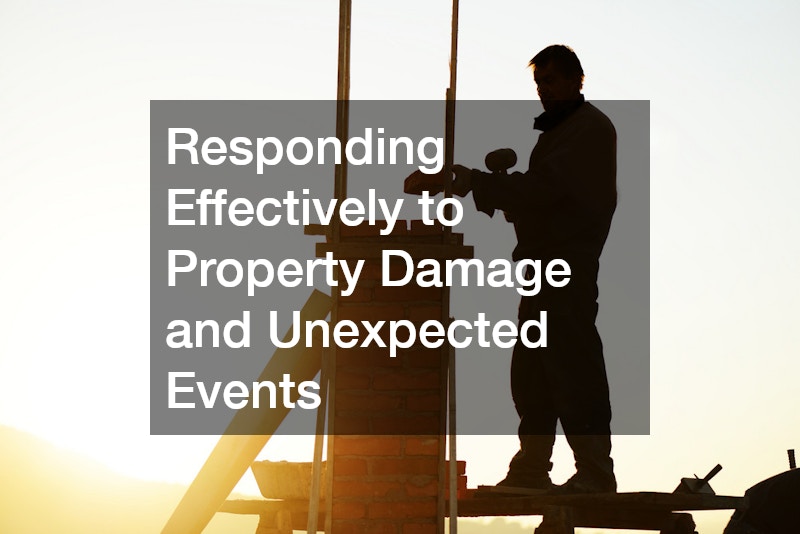
Unexpected events such as flooding, fire, or severe weather can disrupt operations and compromise property safety. The initial response plays a critical role in determining recovery time and overall cost.
A restoration company specializes in damage mitigation, cleanup, and repair coordination. Their role often begins immediately after an incident, focusing on stabilizing the environment and preventing secondary damage. Acting quickly can preserve structural elements, prevent mold growth, and minimize insurance complications.
Property owners should be prepared to:
-
Document damage with photos and notes
-
Secure the site to prevent further loss
-
Understand the difference between mitigation and full restoration
-
Coordinate repairs with insurance requirements
-
Maintain a list of emergency contacts for immediate response
Delays in response can significantly increase repair costs and extend downtime. Establishing relationships with qualified professionals in advance allows for faster action when it matters most. Property owners who maintain clear communication and a documented plan are often able to return to normal operations more quickly.
Identifying Hidden Water Loss and Specialized Mechanical Failures
Not all property issues are immediately visible. Hidden leaks and specialized equipment failures often go unnoticed until they cause significant financial or structural damage. Recognizing early indicators and relying on specialized expertise is essential.
Pool leak detection services help identify water loss that may otherwise be mistaken for evaporation or routine usage. Undetected leaks can damage surrounding structures, increase utility costs, and lead to long-term maintenance issues. Early detection saves water, reduces repair costs, and prevents environmental damage.
Similarly, specialized appliance repair services, such as viking repair focus on high-end equipment that requires expert handling. Improper repairs or delayed maintenance can shorten equipment lifespan and increase replacement costs. Property owners benefit from:
-
Monitoring usage patterns for inconsistencies
-
Addressing performance changes promptly
-
Choosing specialists with manufacturer training
-
Keeping service documentation for warranties
-
Scheduling preventative inspections for sensitive or high-value equipment
Specialized systems require specialized knowledge. Investing in proper diagnostics and expert repairs protects both property value and operational efficiency, while preventing small problems from turning into large-scale failures.
Coordinating Multiple Services Across the Property

Managing multiple service needs across different aspects of a property—plumbing, roofing, concrete, restoration, or mechanical systems—can be overwhelming without an organized plan. Coordination ensures work is completed efficiently, prevents redundant service calls, and reduces operational downtime.
Property owners can use several strategies to streamline service management:
-
Create a master list of all service providers with contact details and specialties
-
Track inspection dates, warranties, and maintenance records
-
Schedule routine services seasonally or based on usage intensity
-
Prioritize urgent safety and structural needs before cosmetic projects
-
Leverage technology such as property management apps or digital calendars for reminders
Long-term relationships with trusted local providers improve response times and ensure better quality outcomes. Professionals familiar with the property’s history can offer tailored advice, anticipate potential issues, and provide faster solutions. Coordination reduces stress, enhances efficiency, and protects investments over time.
Conclusion
Essential property services form the backbone of safe, functional, and resilient homes and businesses. While many systems operate quietly in the background, their importance becomes unmistakably clear when problems arise. Proactive planning transforms property ownership from a reactive experience into a structured, manageable process.
By understanding service categories and establishing trusted relationships ahead of time, property owners reduce stress, control costs, and improve response times. Regular inspections, organized records, and clear communication create a foundation for long-term success. Documenting maintenance schedules, service histories, and warranty information ensures that decisions are informed, while also providing a reliable reference in emergencies or when evaluating potential upgrades.
Property ownership is an ongoing responsibility, not a one-time investment. When owners take the time to plan, prioritize, and partner with reliable professionals, they protect not only their physical assets but also their peace of mind. Thoughtful preparation today leads to stability, efficiency, and confidence for years to come. By investing in proactive oversight, homeowners and business owners alike can ensure that every aspect of their property—from structural integrity to specialized equipment—is safeguarded against unexpected challenges, inefficiencies, and costly repairs.
Beyond financial and operational benefits, proactive management also improves quality of life. Well-maintained properties provide safer environments, more comfortable living and working conditions, and a sense of reliability that reduces daily stress. Families can focus on daily routines, and businesses can maintain uninterrupted operations, knowing that critical systems are monitored and supported by competent professionals.
Moreover, building a network of trusted service providers fosters long-term partnerships that extend beyond single projects. Professionals who are familiar with a property’s history, maintenance patterns, usage demands, and unique challenges can anticipate needs, provide tailored recommendations, and act quickly during emergencies. This proactive, relationship-driven approach transforms property management into a confident, strategic process rather than a constant cycle of reaction and repair, ensuring ongoing security, operational efficiency, property longevity, and peace of mind for decades to come.