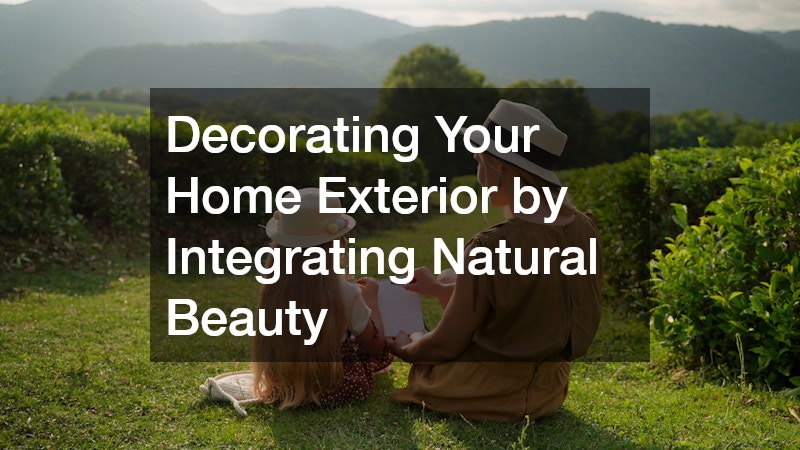
The philosophy of exterior home design has undergone a profound shift. For years, the trend leaned toward rigid, ultra-modern hardscaping—stark lines, massive expanses of poured materials, and sterile environments that actively fought against the surrounding ecosystem. Today, homeowners are embracing a more harmonious approach known as living design. This design movement focuses on blending a home’s unique architectural features seamlessly with the local environment, creating a sense of place that feels both intentional and organic.
Integrating natural beauty into your exterior design is about much more than just boosting curb appeal for passersby; it is about creating a sanctuary that enhances your daily well-being. Studies consistently show that looking out at balanced, green environments reduces stress and fosters a deeper connection to the rhythms of the seasons. Furthermore, a thoughtfully integrated exterior significantly increases your property value, offering an excellent return on investment. The secret lies in treating your home not as a separate entity dropped onto a plot of land, but as an extension of the earth it sits upon. By collaborating with nature through smart landscaping, organic textures, and intuitive structural transitions, you can transform a standard yard into a breathtaking, living masterpiece.
Blur the Lines with Biophilic Living Spaces
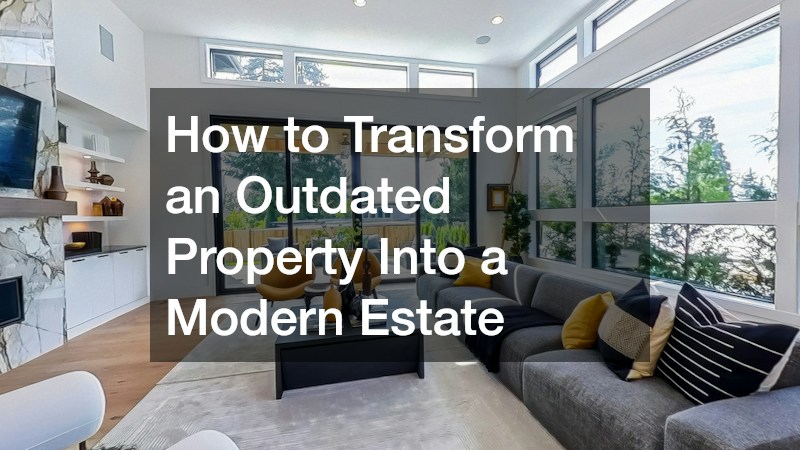
The transition from the interior of your home to the great outdoors should never feel abrupt or jarring. Instead, the most successful exterior designs utilize biophilic principles to blur the lines between inside and outside comfort. Creating a transitional zone allows you to enjoy the fresh air, changing light, and soothing sounds of nature without sacrificing the structural luxuries of indoor living. This integration begins by analyzing how you naturally move through your home and identifying areas where a doorway or window can become a portal to an outdoor sanctuary.
To truly master this seamless flow, consider how different structural elements can work together to invite the outdoors in while protecting you from the elements:
- Opt for architectural features that emphasize transparency and open air. Transition zones that mirror the layout of an interior family room—complete with comfortable, weather-resistant seating arranged around a central focal point like a fire feature—make the shift feel entirely natural.
- Coordinate your flooring materials to trick the eye. Using indoor-outdoor tiling or extending a similar wood grain pattern from your living room out onto your primary outdoor platform creates a continuous visual plane that expands the perceived size of both spaces.
- Collaborate with local deck contractors to build a low-profile platform that sits flush with your interior flooring. Eliminating large steps down into the yard creates a safer, more inviting flow that coaxes people outside.
- Install high-quality screen enclosures to shield your primary seating areas from intense sun and pests. These structures allow you to experience panoramic views of your flora, cooling breezes, and the scent of rain while maintaining a clean, comfortable, and insect-free environment.
- Use large potted plants both just inside and just outside the transition doors. Placing matching ferns, palms, or ficus trees on either side of the threshold visually ties the two distinct environments together.
When these elements are executed with care, your outdoor living space ceases to feel like an afterthought and becomes the most utilized room in the home, grounded heavily in the surrounding landscape.
Establish a Vibrant Green Canvas from the Ground Up
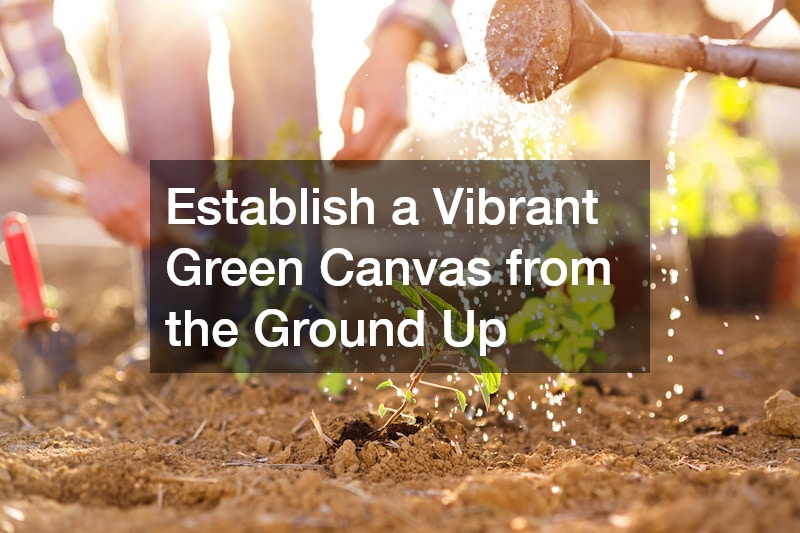
Every spectacular exterior design relies on a healthy, thriving foundation. Just as a painter requires a pristine canvas, a homeowner needs a rich, vibrant carpet of greenery to serve as the backdrop for all other architectural and floral elements. A common mistake is focusing entirely on the plants you can see at eye level while ignoring the biological health of the ground beneath your feet. Without a robust and nutrient-dense foundation, even the most expensive trees and shrubs will struggle to establish themselves, leading to a patchy, uninviting exterior.
To build a magnificent, rolling landscape that feels deeply connected to the earth, the foundational soil and turf must be treated with utmost priority:
- Prioritize the underground biology by sourcing premium, organic top soil to patch low spots, level out uneven terrain, and provide a rich growing medium for your root systems. This foundational layer is vital for retaining moisture and distributing nutrients effectively.
- Evaluate the natural grading of your property. Rather than completely flattening your yard into a sterile, artificial plain, work with the natural slopes and contours to create organic swales that guide rainwater safely away from your foundation while nourishing deeper root zones.
- Utilize advanced hydroseeding services for expansive lawns or sloped areas where traditional sod might struggle to take root or suffer from erosion. This specialized slurry technique bonds grass seed, mulch, and binders directly to the earth, ensuring rapid, uniform growth that knits the soil together naturally.
- Aerate your ground annually to prevent compaction from heavy foot traffic. Compacted earth starves roots of oxygen and prevents water from penetrating deeply, leading to weak, yellowing turf that detracts from your home’s aesthetic.
- Introduce organic compost into your turf management routine rather than relying solely on harsh synthetic chemicals. This encourages Earthworms and beneficial microbes to do the heavy lifting, creating a resilient ecosystem that naturally fends off pests and diseases.
By taking the time to nurture the earth from the root level up, you ensure that your green spaces remain lush, resilient, and jaw-droppingly beautiful through every season of the year.
Build Dimension Using Varied Plant Heights and Textures
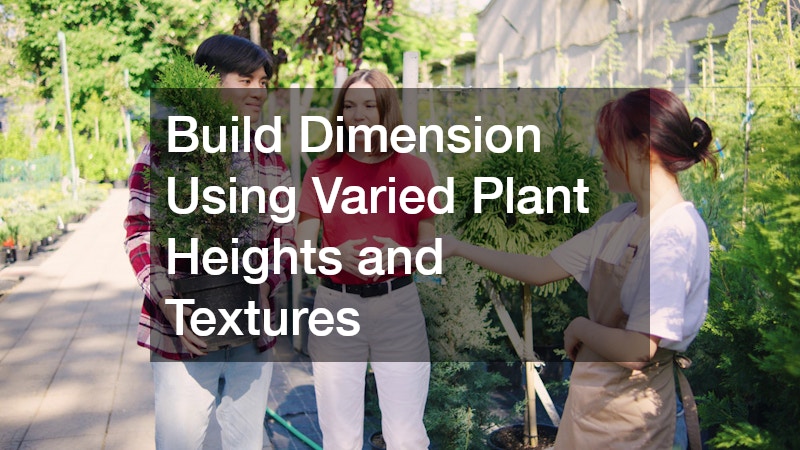
Once your foundational green canvas is established, the next step in integrating natural beauty is adding depth, color, and dimension through multi-layered plant selection. A flat landscape lacks visual interest and can make a home look exposed or detached from its environment. By layering flora of varying heights, textures, and growth habits, you can frame your home’s architecture, soften hard corners, and create a captivating sense of discovery as eyes move across the property.
Achieving a sophisticated, balanced botanical design involves mixing permanent structural plants with seasonal bursts of color:
- Visit a local garden center to identify species native to your specific geographic region. Native plants are naturally adapted to your local rainfall patterns and soil chemistry, meaning they will thrive with minimal maintenance while supporting local birds, butterflies, and pollinators.
- Implement the classic design rule of layering: place tall trees in the background, medium-sized shrubs in the mid-ground, and low-growing groundcovers or perennials along the forward borders to create a natural, cascading amphitheater of growth.
- Embrace the container gardening philosophy of combining a thriller, a filler, and a spiller on your front steps or porch. Choose a tall, dramatic plant as the centerpiece, surround it with dense, colorful foliage to fill the volume, and add trailing vines that spill elegantly over the edges.
- Consult a professional tree service to assess the health, safety, and structure of your mature canopy. Strategic pruning and crown thinning allow dappled sunlight to filter down to the lower plant layers while beautifully framing your home’s roofline rather than completely obscuring it.
- Select plants with contrasting foliage textures. Pair the broad, glossy leaves of hostas or wild ginger with the fine, feathery fronds of native ferns or ornamental grasses to create visual tension and interest even when the plants are not in bloom.
Thoughtful botanical layering transforms your yard from a simple plot of grass into a dynamic, living tapestry that evolves beautifully from month to month.
Anchor Your Design with Organic Paths and Living Borders
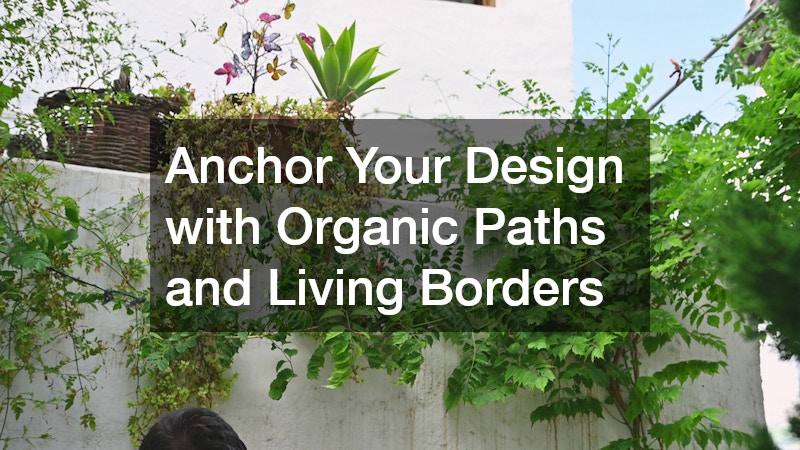
While plants provide the soft, living energy of your exterior design, hardscaping elements provide the essential structure, balance, and functionality. Paths, walkways, and boundaries should never feel like harsh intrusions that cut the landscape into fragments. Instead, they should act as gentle anchors that guide movement and define spaces while blending quietly into the surrounding earth. The goal is to make these structural features look as though they have been slowly shaped by nature over decades.
To integrate structural hardscaping harmoniously with your living flora, focus on flowing lines and natural materials:
- Design winding, curved walkways rather than rigid straight lines. Meandering paths slow down the pace of walking, encouraging residents and guests alike to look around and appreciate the surrounding plants and natural features.
- Engage skilled concrete contractors to install stamped, stained, or aggregate pathways that mimic the irregular textures and earthy tones of natural river rock or flagstone. This gives you the immense durability of modern materials while maintaining a rustic, organic aesthetic.
- Introduce living borders by planting low-growing thyme, moss, or sedum in the joints between pavers or stepping stones. As these plants spread, they soften the hard edges of the stone and release delightful fragrances when stepped upon.
- Partner with reputable fence contractors to erect boundaries that prioritize transparency and integration. Opt for open-slat wood, wire, or lattice designs that serve as a trellis for climbing vines like jasmine, clematis, or wisteria, effectively turning a security barrier into a vertical garden.
- Use low-voltage, warm LED lighting tucked away inside the foliage along your walkways. Illuminating paths from ground level upward casts dramatic shadows, accentuates the unique textures of your hardscaping, and keeps the focus entirely on nature after the sun goes down.
When paths and borders are designed to coexist with nature rather than dominate it, they create a sense of order that highlights, rather than hides, the inherent beauty of your property.
Synchronize Your Home’s Color Story with the Environment
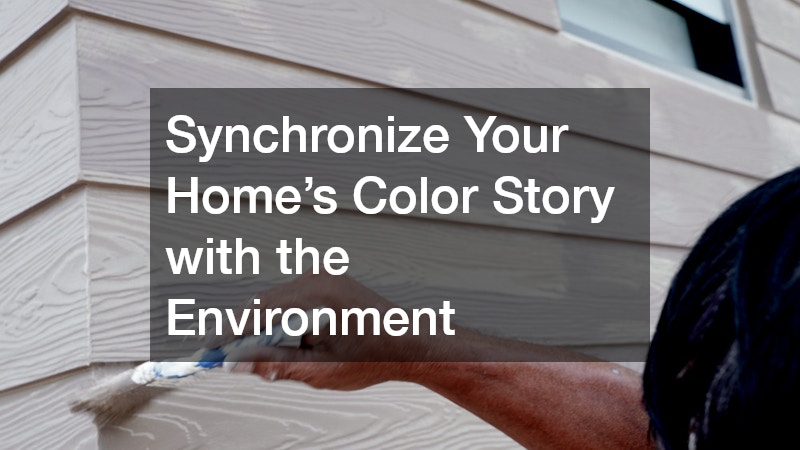
The final layer of integrating natural beauty into your home exterior involves the literal colors and finishes applied to the architectural structure itself. Your home should never look like a foreign object dropped carelessly into a forest or field; its color palette should feel deeply inspired by the immediate surroundings. By selecting tones that echo the bark of the trees, the shades of local stone, or the muted greens of native foliage, you create a unified visual narrative where the house and the land speak the same language.
To harmonize your home’s physical structure with the changing tones of the outdoors, apply these strategic aesthetic principles:
- Take cues directly from your immediate ecosystem when choosing your primary siding and trim colors. Rich charcoals, warm taupes, mossy greens, and soft, sandy creams allow the vibrant, living colors of your flowers and trees to take center stage.
- Invest in the expertise of professional exterior painting companies who can evaluate how natural sunlight shifts across your home throughout the day. High-quality paints applied with precision ensure that your chosen earth tones retain their depth and do not wash out under intense afternoon glare.
- Use natural wood stains on accent pieces like front doors, shutters, or structural columns. Showing off the natural grain of the wood provides an instant, authentic connection to the surrounding trees.
- Complete the overarching color story by coordinating a comprehensive lawn installation that features a grass variety tailored precisely to your property’s sun-and-shade profile. A uniform, brilliantly healthy green lawn acts as the ultimate frame, enhancing the freshness of a new coat of paint.
- Contrast matte finishes on your siding with glossy elements on your trim or front door to mimic the way light reflects off different surfaces in nature, such as the contrast between dry bark and wet leaves after a rain shower.
By carefully aligning your home’s color palette with the environment, you achieve a timeless, sophisticated exterior that feels grounded, welcoming, and perfectly at peace with its surroundings.
Decorating your home exterior by integrating natural beauty is a deeply rewarding journey that transforms your property into a seamless extension of the earth. By breaking down the barriers between indoor comfort and outdoor freshness, nurturing the foundational soil, layering flora with artistic intent, installing organic pathways, and choosing a color palette inspired directly by the environment, you create a cohesive sanctuary that delights the senses. This balanced approach to design does not just elevate the aesthetic appeal of your neighborhood; it provides a restorative escape for you and your family to enjoy for years to come. Start with one intentional project today, listen to the natural cues of your land, and watch your home flourish into a living masterpiece.